Dry Rot Remediation in Indianapolis, IN
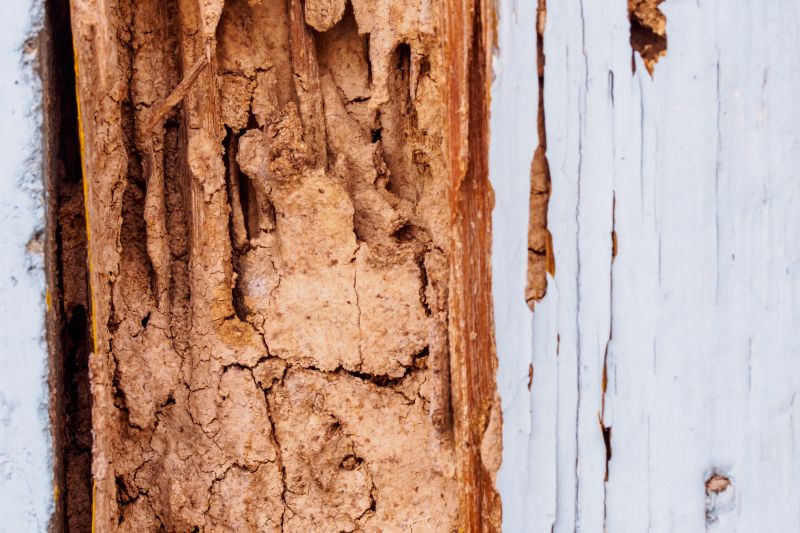
Dry rot remediation services address the detection and removal of wood decay caused by certain types of fungi that thrive in moist, poorly ventilated areas. This service typically covers projects involving damaged framing, beams, joists, and other structural elements within homes and buildings. Property owners often seek this service when they notice signs of wood deterioration, such as crumbling wood, musty odors, or visible fungal growth, especially in basements, crawl spaces, or areas with ongoing moisture issues. Understanding the extent of the damage and the underlying moisture problems is essential before requesting remediation, as addressing moisture sources is crucial to preventing future decay.
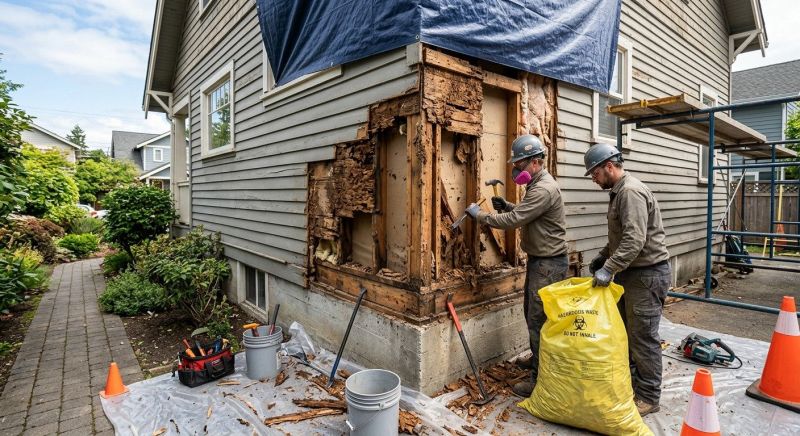
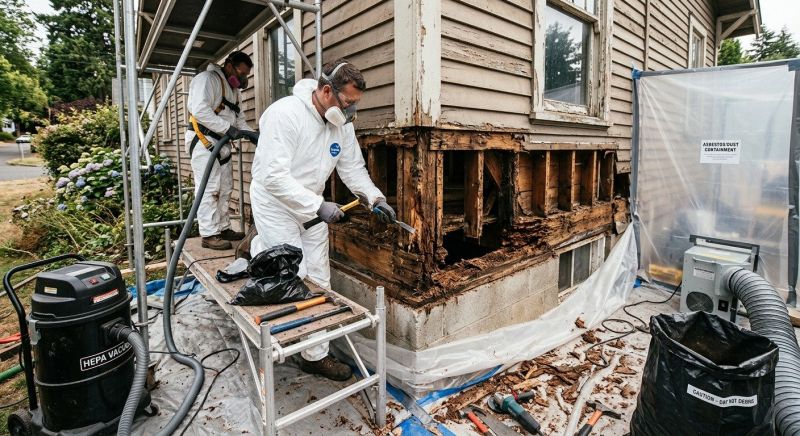
Proper dry rot remediation involves removing affected wood and treating the surrounding areas to inhibit fungal growth. Homeowners should be aware that successful treatment often requires not only removing compromised materials but also correcting moisture issues that contribute to fungal development. It is important to evaluate the scope of the damage, including whether structural components are compromised, and to consider ongoing moisture control measures to maintain a healthy, stable environment. Contacting professionals for an assessment can help determine the most effective approach to restoring the integrity of the property.
Many property owners in Indianapolis, IN look into Dry Rot Remediation for repairs, replacements, upgrades, and appearance-related improvements.
Understanding Dry Rot
Dry rot is a type of wood decay caused by fungal growth that weakens structural components.
Signs Of Dry Rot Damage
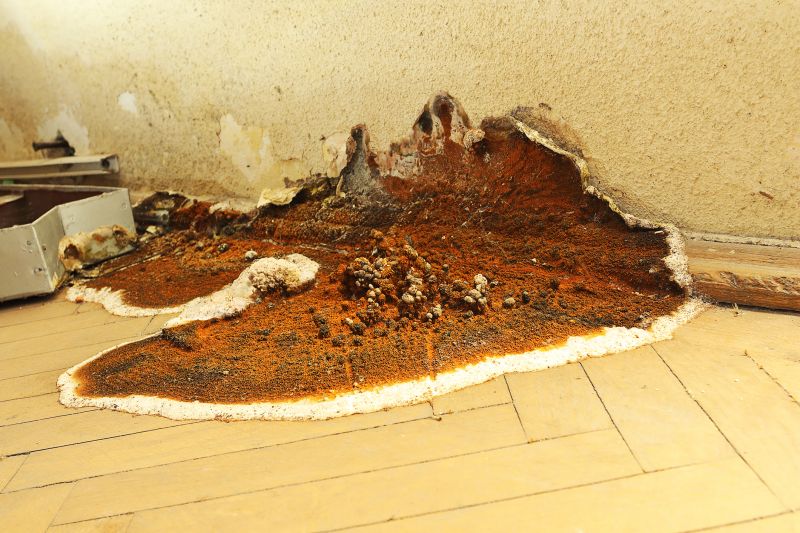
Common indicators include crumbling wood, musty odors, and visible fungal growth in affected areas.
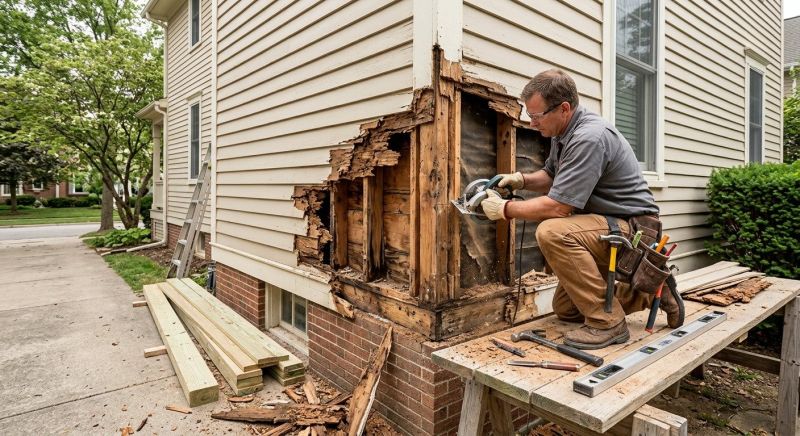
Remediation And Prevention
Effective dry rot treatment involves removal of damaged material and measures to prevent future fungal growth.
Dry Rot Remediation in Indianapolis, IN

Dry rot remediation services address the detection and removal of wood decay caused by certain types of fungi that thrive in moist, poorly ventilated areas. This service typically covers projects involving damaged framing, beams, joists, and other structural elements within homes and buildings. Property owners often seek this service when they notice signs of wood deterioration, such as crumbling wood, musty odors, or visible fungal growth, especially in basements, crawl spaces, or areas with ongoing moisture issues. Understanding the extent of the damage and the underlying moisture problems is essential before requesting remediation, as addressing moisture sources is crucial to preventing future decay.
Proper dry rot remediation involves removing affected wood and treating the surrounding areas to inhibit fungal growth. Homeowners should be aware that successful treatment often requires not only removing compromised materials but also correcting moisture issues that contribute to fungal development. It is important to evaluate the scope of the damage, including whether structural components are compromised, and to consider ongoing moisture control measures to maintain a healthy, stable environment. Contacting professionals for an assessment can help determine the most effective approach to restoring the integrity of the property.
Many property owners in Indianapolis, IN look into Dry Rot Remediation for repairs, replacements, upgrades, and appearance-related improvements.
Common Dry Rot Remediation Jobs
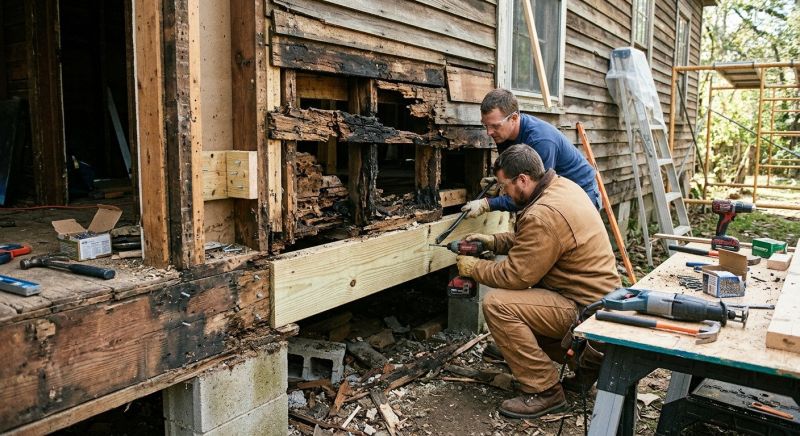
Dry Rot Remediation - removes decayed wood and prevents further structural damage.
Structural Repairs - restores weakened framing caused by dry rot.
Wood Treatment - applies fungicides to eliminate fungal growth.
Moisture Control - addresses sources of excess moisture to prevent recurrence.
Inspection Services - assesses affected areas to determine extent of dry rot.
Preventive Solutions - implements measures to protect against future fungal damage.
Dry Rot Remediation Questions
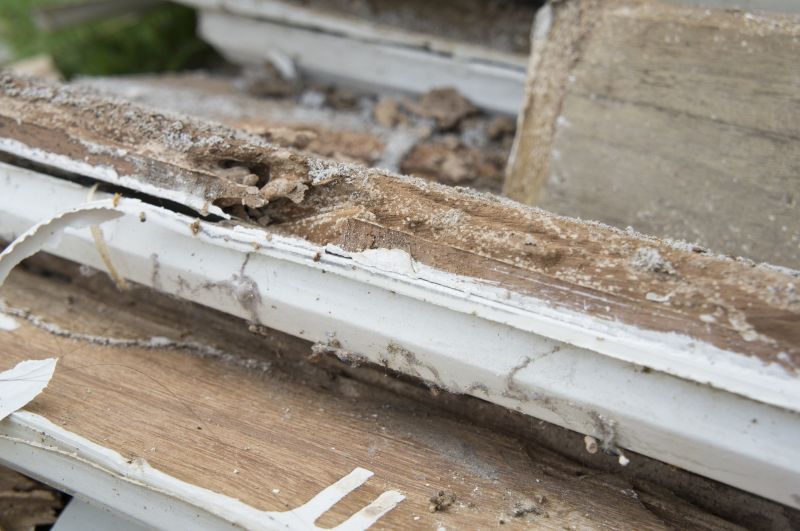
What is dry rot? Dry rot is a type of fungal decay that damages wood, causing it to weaken and crumble over time.
How can dry rot be identified? Signs include spongy or cracked wood, a musty odor, and visible fungal growth or discoloration on affected surfaces.
Why is prompt remediation important? Addressing dry rot quickly helps prevent structural damage and stops the spread to other parts of the property.
What areas are most vulnerable to dry rot? Commonly affected areas include basements, crawl spaces, attics, and areas with moisture issues or poor ventilation.
Request Dry Rot Remediation in Indianapolis, IN
Use the quote form on this page to share the basics of your project and request more information for the type of work you need.